
Non-surgical body contouring has come a long way, and with that comes a lot of options that can start to blur together. If you’ve been comparing TriLift, InstaSculpt, and CoolSculpting and aren’t sure what actually separates them, here’s a straightforward breakdown of how each one works, what it feels like, and where each one shines.
The Quick Comparison
| TriLift | InstaSculpt | CoolSculpting | |
|---|---|---|---|
| Technology | Radiofrequency (RF) + Dynamic Muscle Stimulation | Ultrasound cavitation + RF | Cryolipolysis (controlled cooling) |
| Fat reduction | Yes | Yes | Yes |
| Skin tightening | Yes | Yes (via its RF component) | No |
| Muscle definition | Yes (via Dynamic Muscle Stimulation) | No | No |
| Best for | Precise small areas through large body zones (face, chin, neck, abdomen, flanks, thighs — with a larger body applicator) | Larger body areas (abdomen, flanks, thighs) | Larger body areas (abdomen, flanks, thighs) |
| Sensation | Warm, generally comfortable | Warm + gentle vibration, generally comfortable | Intense cold, pulling/pinching, possible numbness |
| Downtime | None | None | Minimal, but temporary swelling/numbness/tenderness is common |
How Each Technology Works
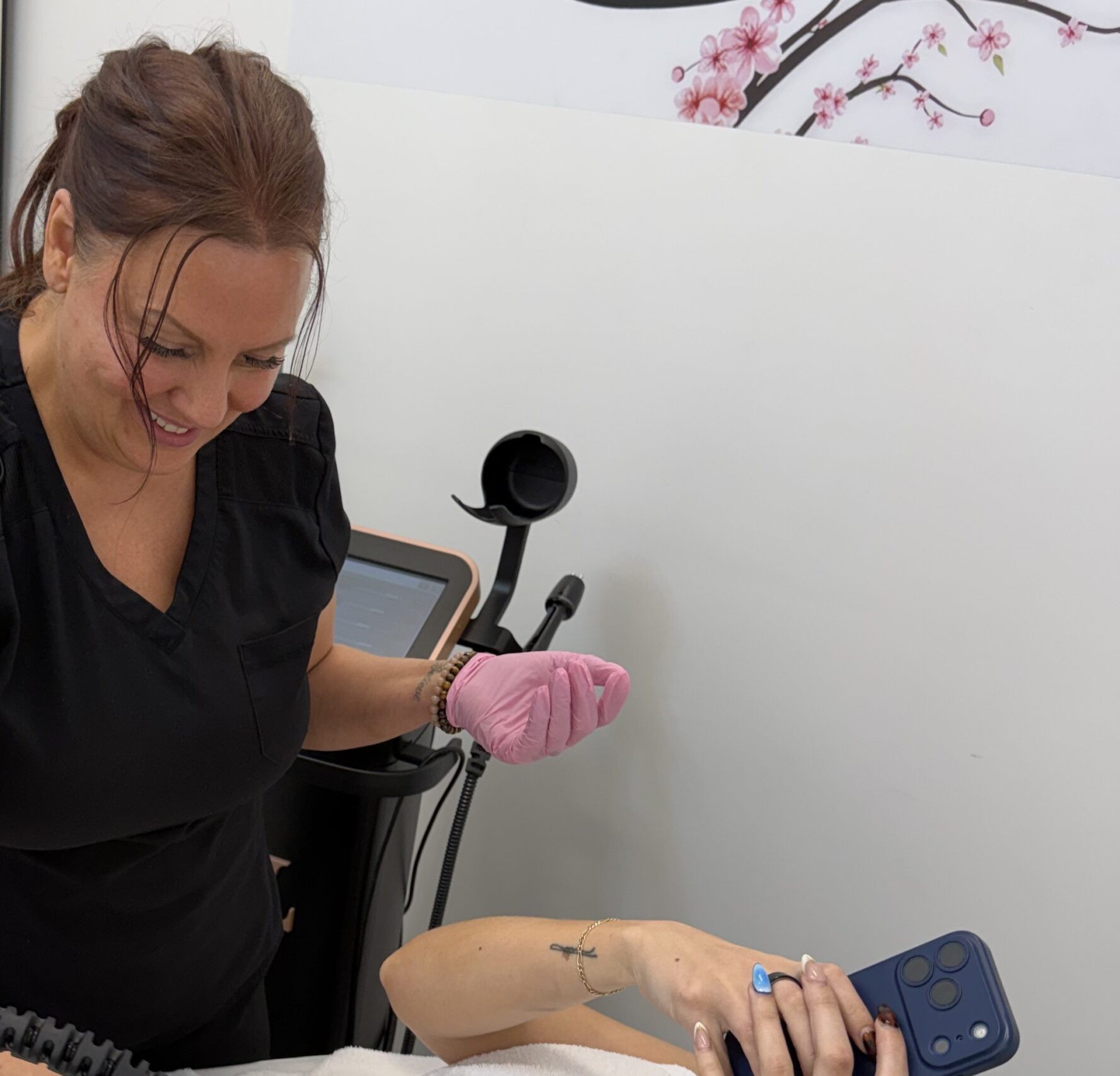
TriLift uses radiofrequency energy delivered at multiple depths. For fat reduction, the RF raises tissue temperature above 42°C, enough to affect fat cells so your body gradually clears them over the following weeks. For skin tightening, the same platform heats the deeper dermal layers to stimulate new collagen and elastin production, which firms and lifts the skin over time. TriLift comes with applicators in different sizes, including a larger body applicator, so it isn’t limited to small, precise areas — I can use it on larger body zones like the abdomen, flanks, and thighs as well as the face, chin, jawline, and neck. That dual capability (fat reduction and skin tightening from one platform, across both small and large areas) is what makes TriLift such a versatile option.
TriLift also brings something neither InstaSculpt nor CoolSculpting offers: Dynamic Muscle Stimulation (DMSt). Alongside the RF work on fat and skin, TriLift can deliver contractions to the underlying muscle layer, going beyond what voluntary exercise achieves on its own. Over a series of sessions, that translates into improved muscle tone and definition in the treated area — a layer of results that’s simply not part of what ultrasound cavitation or cryolipolysis are designed to do. To be clear: TriLift body sculpting is its own treatment and does not include microneedling — RF microneedling is a separate service I offer for skin texture, acne, and pigmentation, not part of a TriLift body sculpting session.
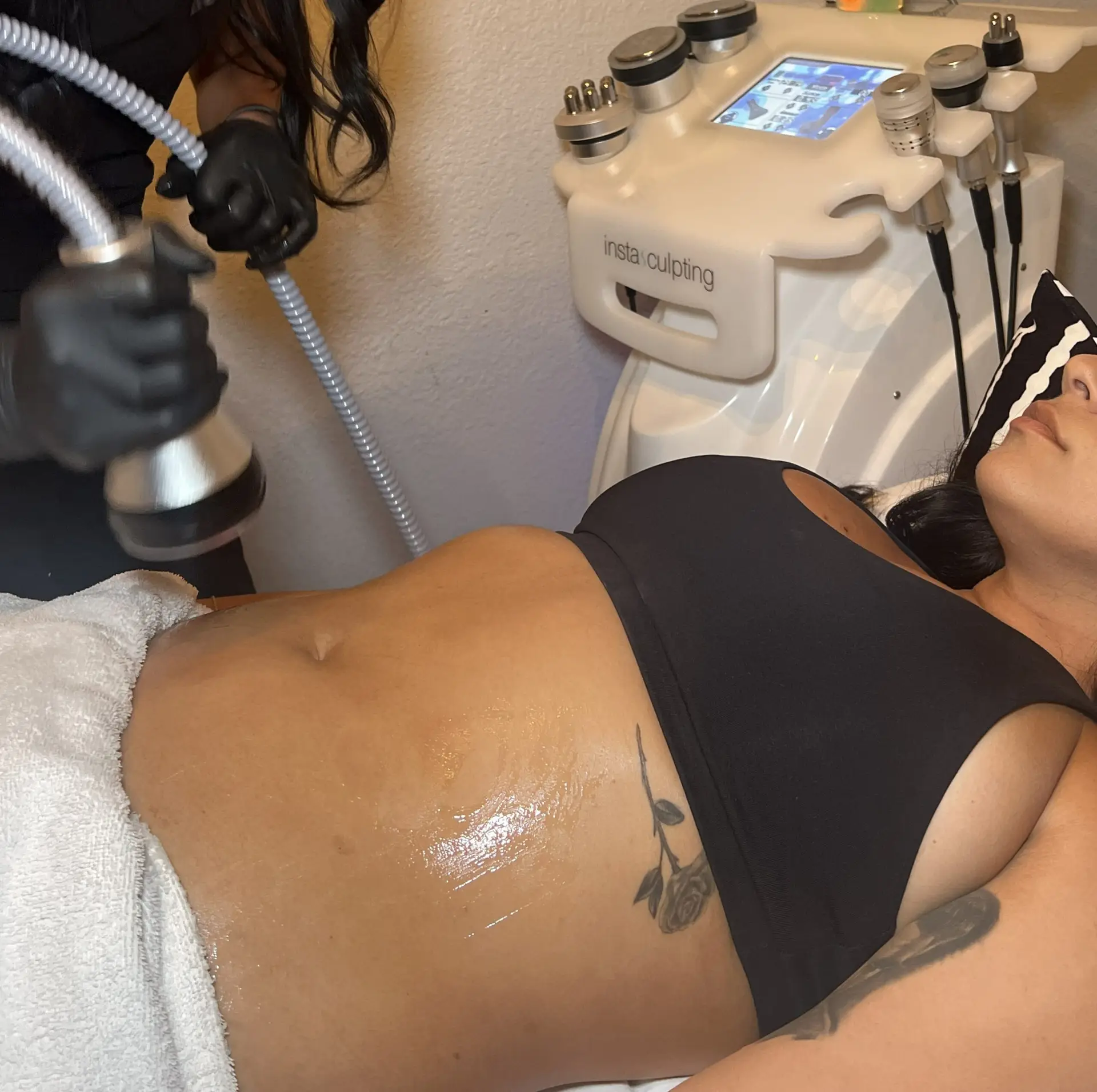
InstaSculpt combines ultrasound cavitation with RF. The ultrasound creates a mechanical effect that helps break down fat cells, while the RF component adds heat that supports fat breakdown and also stimulates the skin — so InstaSculpt offers some skin-tightening benefit alongside fat reduction, not fat reduction alone. It covers larger areas efficiently, which makes it a good fit for the abdomen, flanks, and thighs. It doesn’t include a muscle stimulation component.
CoolSculpting works through cryolipolysis: controlled cooling applicators freeze fat cells to a temperature that damages them without harming the surrounding skin, and your body clears the damaged cells over the following weeks to months. It’s one of the most well-known non-surgical fat reduction technologies, but it’s fat-only — there’s no skin tightening or muscle stimulation component, and it uses a completely different mechanism (cold) than TriLift or InstaSculpt (heat/ultrasound).
What Each One Feels Like
This is often the deciding factor for people choosing between treatments.
- TriLift: warm sensation, generally described as relaxing, with a distinct pulsing feeling during the muscle stimulation portion. Most people tolerate it very comfortably with no need for numbing.
- InstaSculpt: a combination of gentle warmth from the RF and a mild vibration/tingling sensation from the ultrasound cavitation. Also generally comfortable.
- CoolSculpting: the applicator creates an intense pulling and pinching sensation as it’s applied, followed by numbing cold for most of the session. Many people find the first several minutes the most uncomfortable part, after which the area typically goes numb. Afterward, temporary side effects like swelling, redness, bruising, or tenderness are common, and some people report lingering numbness for several weeks.
If comfort during and after treatment is a priority for you, that’s worth weighing alongside the results themselves.
Which One Should You Choose?
- If you want to address a smaller, more precise area — like under the chin, jawline, or a compact body zone — TriLift is a great fit, especially if skin laxity is part of the picture too.
- If you’re targeting a larger area of stubborn fat — abdomen, flanks, thighs — both TriLift (using its larger body applicator) and InstaSculpt can treat that area effectively and offer some skin-tightening benefit along the way. CoolSculpting can also treat larger areas, but it’s fat-only with no skin-tightening component and comes with a less comfortable treatment experience.
- If skin laxity is a significant concern in the area you’re treating, CoolSculpting won’t address that at all — TriLift or InstaSculpt (or a combination) would be the better choice.
- If muscle tone and definition are part of your goal — not just fat loss or skin firmness — TriLift is the only one of the three that addresses that, through its Dynamic Muscle Stimulation.
A lot of people also have some fat and some skin laxity in the same spot, which is why I don’t recommend picking a treatment off a chart alone — a consultation lets me actually assess the area and build a plan that fits.
My Take as Your Provider
I offer TriLift and InstaSculpt because together they give me flexibility across the board — both can treat small precise areas or larger body zones, and both bring some skin-tightening benefit along with fat reduction, just through different technology combinations (RF alone with TriLift, ultrasound cavitation plus RF with InstaSculpt). TriLift’s added Dynamic Muscle Stimulation is something I can’t offer with either of the other two, so for clients who want muscle definition as part of their results, it’s the clear choice. Both TriLift and InstaSculpt are non-surgical with no real downtime, which is a meaningful advantage over technologies that come with more noticeable post-treatment side effects.
Ready to Find the Right Fit?
If you’re trying to figure out which treatment makes sense for your goals, let’s talk it through. You can book a consultation online or call me at (913) 800-9219.
This article is for informational purposes only and isn’t a substitute for a personalized medical consultation. Individual results vary from person to person and depend on the area treated and number of sessions.