
 5.0
5.0 verified by TrustindexTrustindex verifies that the company has a review score above 4.5, based on reviews collected on Google over the past 12 months, qualifying it to receive the Top Rated Certificate.
Effective Telehealth Treatments for Hair Loss, Backed by Prescription Medications

per bottle
Our most comprehensive formula for tackling all aspects of hair loss. Combining Minoxidil, Finasteride, Ketoconazole, and Latanoprost, this solution is ideal for those who want maximum regrowth, hormone blocking, and scalp health support. Perfect for serious hair restoration.
per tube
For effective regrowth and scalp care, this simple yet potent formula with Finasteride, Minoxidil, and Tretinoin prevents thinning and boosts growth. Ideal for those looking for a straightforward, reliable solution.
per bottle
Boost lash length, thickness, and darkness with this powerful Latanoprost/Naphazoline (.003/.05%) formula. Designed to promote natural lash growth while soothing irritation, it delivers visible results in 8-12 weeks.
per bottle
Dutasteride is a prescription medication used to treat male pattern baldness and enlarged prostate (BPH). It works by blocking DHT, a hormone linked to hair loss. By reducing DHT levels, Dutasteride (0.5 mg) can slow or stop hair loss and may promote regrowth, especially for those who haven’t responded to Finasteride. In hair restoration, it is often used as an oral treatment, especially for individuals who haven’t responded well to other medications like Finasteride. It is known for its potent DHT-blocking effects, making it a strong option for managing hair loss over time.
per bottle
This combination of Biotin (5 mg) and Minoxidil (0.25 mg) supports hair health and restoration. Biotin promotes stronger, healthier hair growth, while Minoxidil stimulates hair follicles to encourage regrowth. Together, they help address thinning hair and support overall hair vitality.
per bottle
This is a combination of Biotin (5 mg), Finasteride (2.5 mg), and Minoxidil (0.25 mg) to provide a comprehensive solution for hair restoration. Biotin supports healthy hair growth and strengthens hair strands, while Finasteride reduces DHT levels, a key hormone responsible for hair loss, helping to slow thinning. Minoxidil works by stimulating hair follicles, encouraging regrowth. Together, these ingredients offer a multi-faceted approach to addressing hair loss and promoting overall hair health.
Hair loss can feel like an uphill battle, but with today’s advances in medical science, it’s no longer left to chance. Whether you’re experiencing thinning hair, receding hairlines, or more significant hair loss, there are effective treatments available that can prevent further loss and encourage regrowth. This guide will walk you through why hair loss happens, what you can do to stop it, and the most reliable medications that deliver real results.
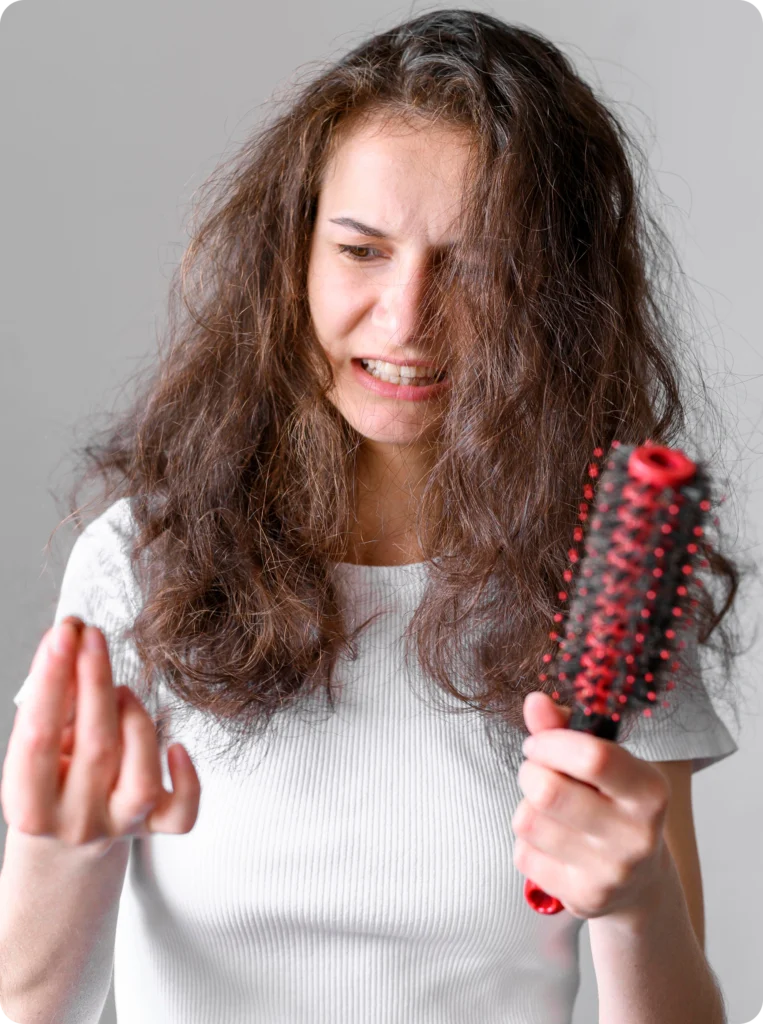
Men most commonly experience hair loss due to androgenetic alopecia, or male pattern baldness. This type of hair loss occurs when hair follicles shrink under the influence of dihydrotestosterone (DHT), a hormone derived from testosterone. The follicles become smaller and produce thinner hair until eventually, hair growth stops.
Other contributing factors include:
Women’s hair loss is often linked to hormonal imbalances. These fluctuations can occur during pregnancy, menopause, or as a result of medical conditions such as thyroid issues or polycystic ovary syndrome (PCOS). Lower estrogen levels, especially post-menopause, can also lead to increased shedding and thinning.
Other causes include:
While genetics and hormones play a significant role in hair loss, there are effective methods to slow the process and encourage regrowth. The key is addressing the root causes, such as DHT sensitivity, hormonal imbalances, or poor scalp health, through a combination of medications and lifestyle changes.
When it comes to addressing hair loss, certain medications stand out as the most effective and reliable options. These treatments, when applied topically, target the scalp directly for safer, more focused results without the risk of systemic side effects.
1. Minoxidil
Minoxidil is one of the most well-known and FDA-approved treatments for hair loss. It works by increasing blood flow to the scalp, which stimulates hair follicles and encourages regrowth. It’s effective in both men and women and is applied topically or taken orally.
2. Finasteride
Finasteride is typically known as a medication that blocks DHT, the hormone responsible for shrinking hair follicles. However, when applied topically, it delivers the same DHT-blocking benefits without the risks associated with systemic hormone changes. This makes it a safer, yet still powerful, option for preventing hair loss.
3. Dutasteride
Dutasteride is a prescription medication used to treat male pattern baldness and enlarged prostate (BPH). It works by blocking DHT, a hormone linked to hair loss. By reducing DHT levels, Dutasteride can slow or stop hair loss and may promote regrowth, especially for those who haven’t responded to Finasteride.
4. Ketoconazole
Ketoconazole is an antifungal agent commonly used in medicated shampoos. It also has anti-DHT properties, making it an effective part of a hair loss regimen. It helps reduce inflammation in the scalp and can improve the overall effectiveness of treatments like Minoxidil and Finasteride.
5. Latanoprost
Originally used to treat glaucoma, Latanoprost has been shown to stimulate hair follicles and promote hair regrowth when applied topically. It works by prolonging the growth phase of hair, resulting in thicker and fuller hair over time.
6. Tretinoin
Tretinoin, a derivative of vitamin A, promotes the turnover of skin cells and helps improve the absorption of other topical treatments, like Minoxidil. It enhances the scalp’s health, creating a better environment for hair to grow.

Topical hair loss treatments offer a more targeted approach to preventing hair loss and fostering regrowth. By delivering medication directly to the scalp, these treatments focus on the areas most in need, reducing the risk of side effects commonly associated with oral medications. This localized action ensures that the medications act where they are needed most—at the hair follicles.
Topical Solutions Can:
Why Oral Treatments Work
Oral hair loss treatments provide a systemic approach, addressing the root causes of hair loss from within. While topical solutions target specific areas of the scalp, oral medications like Finasteride and Dutasteride are absorbed throughout the body, allowing them to reduce DHT levels more effectively. This comprehensive action helps to lower DHT in both the scalp and bloodstream, which can prevent further hair loss and support regrowth over time. Oral treatments are particularly beneficial for those with more advanced hair loss, as they ensure that DHT is blocked on a larger scale, offering a potent and convenient solution.e needed most—at the hair follicles.
Supplements to Support Hair Growth
In addition to topical treatments, maintaining good overall nutrition can help support hair health. Here are some supplements to consider:
Hair loss is a natural part of aging for many people, but with the right treatments, it doesn’t have to be permanent. Understanding what’s causing your hair loss—whether it’s hormonal, genetic, or due to external factors—allows you to choose the best treatments for your situation. A combination of proven medications and healthy lifestyle choices can slow down the process and, in many cases, encourage regrowth.
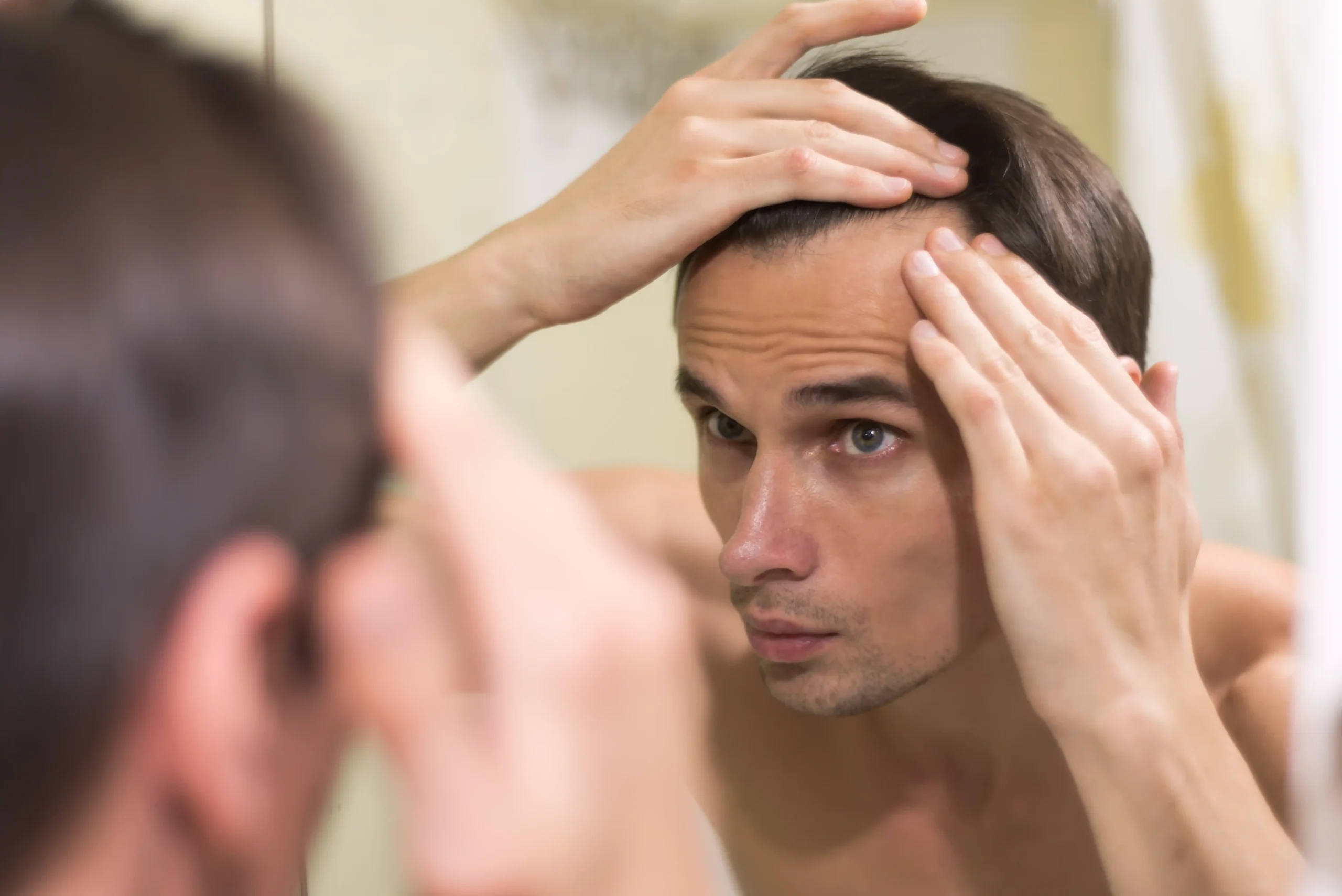
Individuals experiencing hair thinning or loss may be candidates for this therapy. A consultation with a healthcare provider is necessary to determine eligibility based on medical history and hair loss severity.
The treatment involves applying the compounded solution to the scalp as directed by a healthcare professional. Regular follow-ups will be scheduled to monitor progress and make any necessary adjustments.
Like all medical treatments, potential side effects can occur, but they vary depending on individual health and the specific medications used. Discuss potential risks with your healthcare provider.
Results can vary, but many patients notice improvements in hair density and scalp health within a few months of consistent treatment.
Yes, our specialists can prescribe necessary treatments based on your consultation.
No, our telemedicine services allow you to receive care from the comfort of your home.