Debunking Common Myths About Anti-Aging Telemedicine
LM
Understanding Anti-Aging Telemedicine
As technology progresses, anti-aging telemedicine is becoming increasingly popular. However, with its rise, several myths have surfaced, clouding public perception. In this blog post, we aim to debunk some of these common misconceptions and shed light on the true benefits and realities of anti-aging telemedicine.
Myth 1: Telemedicine Lacks Personalization
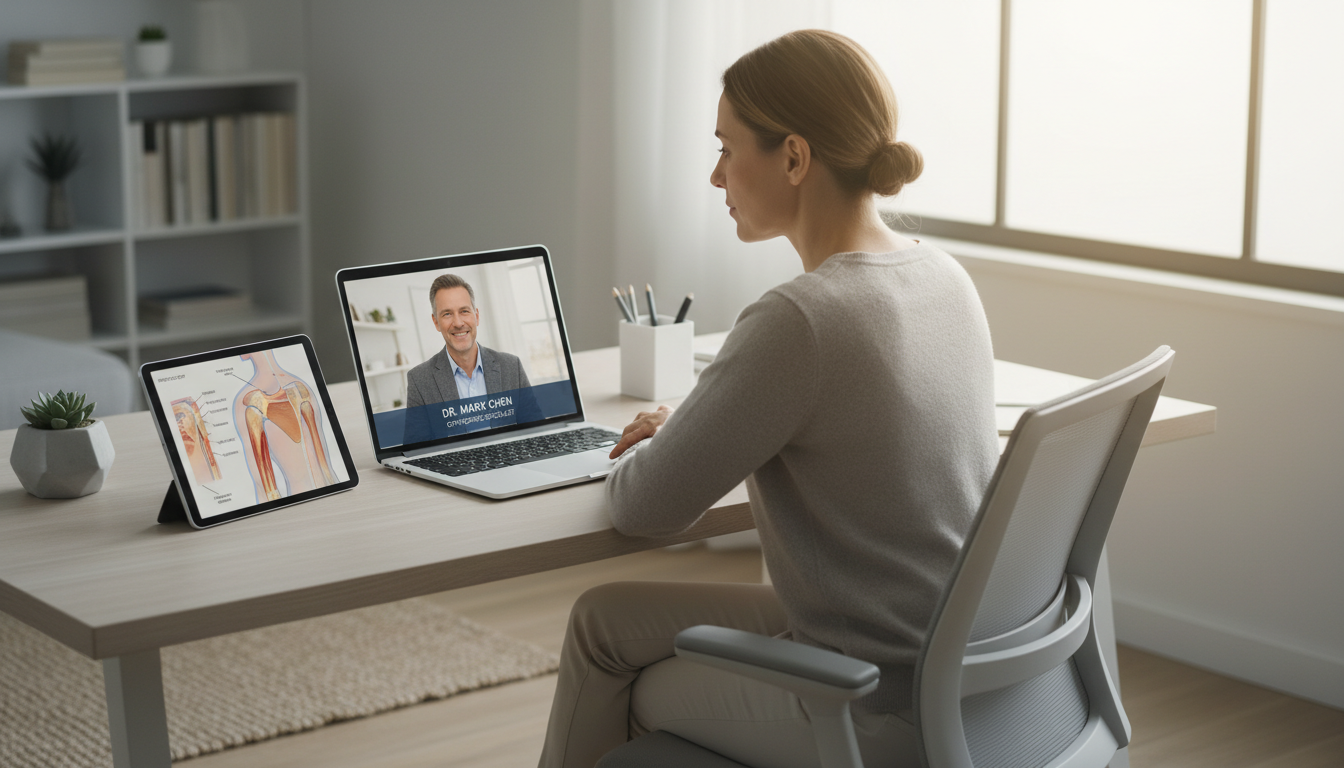
A prevalent myth is that telemedicine lacks the personalization of face-to-face consultations. In reality, anti-aging telemedicine offers highly personalized care. Telemedicine platforms use advanced algorithms to tailor treatment plans based on individual health profiles, lifestyle, and specific aging concerns. Patients receive customized advice and prescriptions just as they would in a traditional setting.
Moreover, the convenience of telemedicine allows for more frequent follow-ups, enabling healthcare providers to adjust treatments as needed, ensuring ongoing personalized care.

Myth 2: It's Only for Minor Issues
Another misconception is that telemedicine can only handle minor issues. While telemedicine is indeed convenient for minor ailments, it is also highly effective for managing complex anti-aging treatments. Specialists can monitor patients remotely, using advanced diagnostic tools to assess skin conditions, hormonal levels, and more.
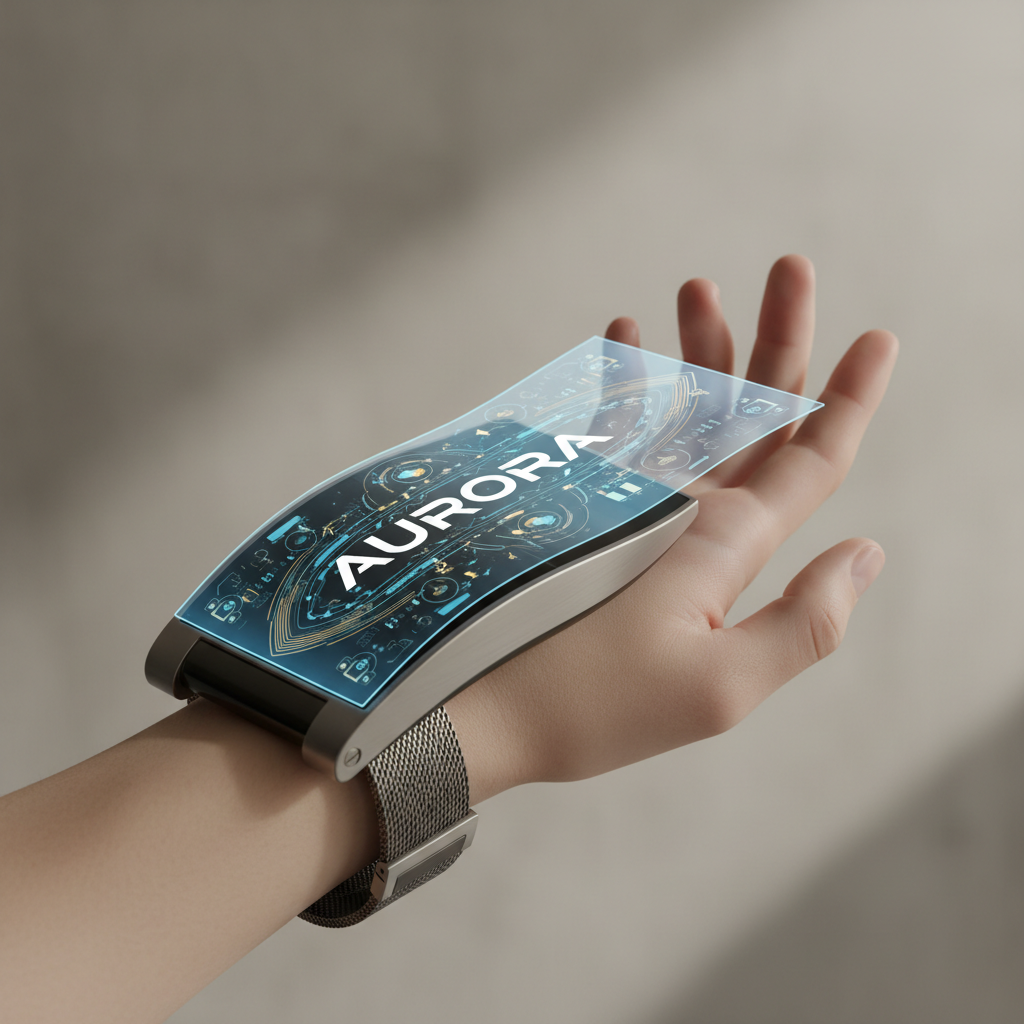
Telemedicine platforms often integrate with wearable devices, providing real-time health data that can inform treatment decisions, making it a comprehensive solution for various anti-aging needs.
Myth 3: Telemedicine Is Impersonal
Some believe that telemedicine lacks the human touch of in-person visits. However, many patients find virtual consultations more comfortable, allowing them to communicate openly from their own homes. The flexibility of scheduling and the elimination of travel time contribute to a more relaxed and personal interaction.
Many telemedicine providers offer video consultations, enabling face-to-face interaction that helps build trust and rapport between patients and healthcare providers.
Myth 4: It's Not Secure
Concerns about data privacy and security in telemedicine are common. However, telemedicine platforms are designed with robust security measures to protect patient information. They comply with stringent regulations like the Health Insurance Portability and Accountability Act (HIPAA), ensuring that your personal health data remains confidential and secure.

Myth 5: Telemedicine Is Too Expensive
Some people assume that telemedicine services come with a high price tag. On the contrary, telemedicine often proves to be more cost-effective than traditional healthcare. Patients save on travel expenses, and many insurance plans cover telemedicine services, making it an affordable option for anti-aging care.
Additionally, the ability to access specialists without geographical limitations can lead to better health outcomes, potentially reducing long-term healthcare costs.
Conclusion
Anti-aging telemedicine is a valuable and effective means of receiving personalized, secure, and comprehensive care. By debunking these myths, we hope to encourage more individuals to explore and benefit from the convenience and innovation that telemedicine offers.